

Sep 25, 2025
Vog and Real Estate in Hawai’i
Understanding Hawaiʻi’s Unique Landscape
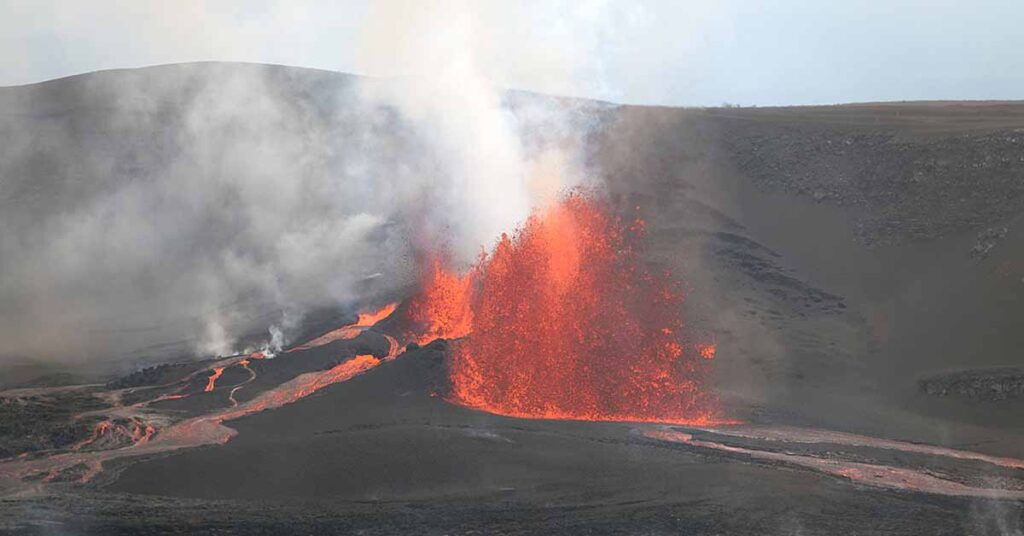
Los Angeles has smog, London has fog, and Hawaii’s Big Island has vog. Vog, short for volcanic smog, is created when sulfur dioxide from Kilauea Volcano mixes with moisture and dust in the air. While lava flows attract thousands of visitors each year, vog is a reality that both residents and buyers should understand.
Vog can affect air quality and, at times, visibility. Those with respiratory conditions may be more sensitive, and the island publishes daily vog index reports ranging from 0 to 10. In Hawaii’s Seller’s Real Property Disclosure Statement (SRPDS), sellers must explicitly address vog and other volcanic hazards as a “material fact” that could affect a property’s value.
The impact varies by region. The southern and west/southwestern areas see the heaviest effects, while even the typically clear west side, such as Waikoloa Village and the Kohala Coast resorts, may experience vog at times.
As of September 8, 2025, Kilauea has recorded 32 eruptive episodes this year, a reminder of the island’s dynamic environment. Still, for many buyers, the Big Island’s natural beauty and lifestyle far outweigh occasional vog concerns.
For those considering real estate here, understanding vog is simply part of appreciating life in paradise.